
- Home
- Timber
Timber
Valuable Hardwoods from the Congo Basin
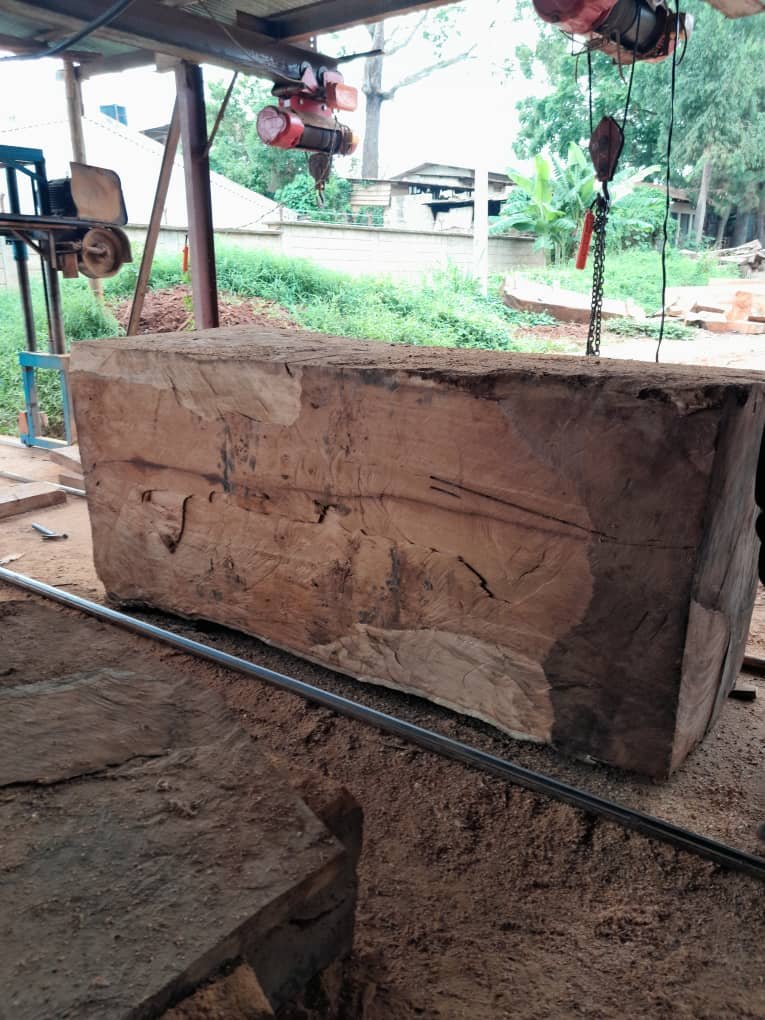
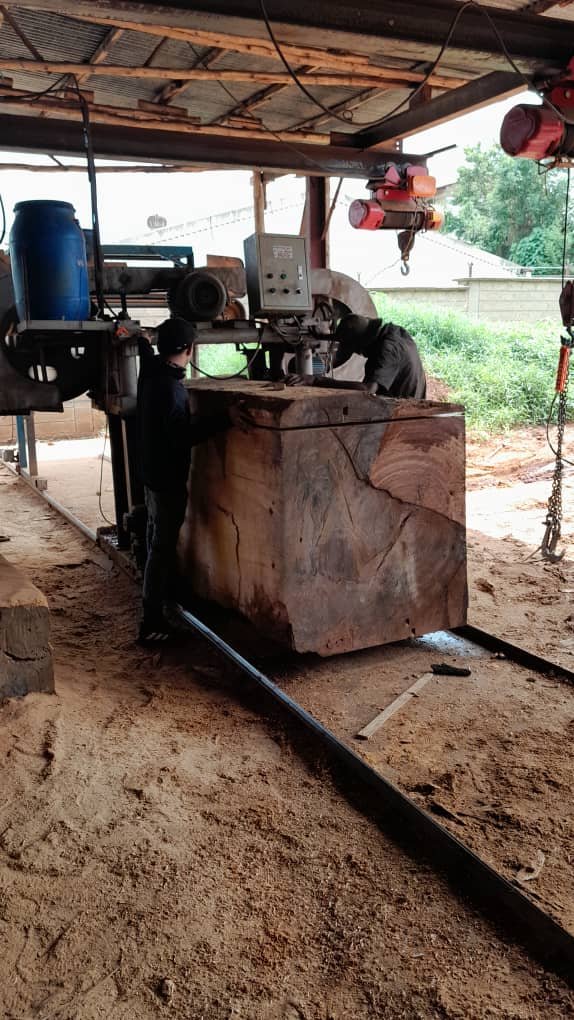
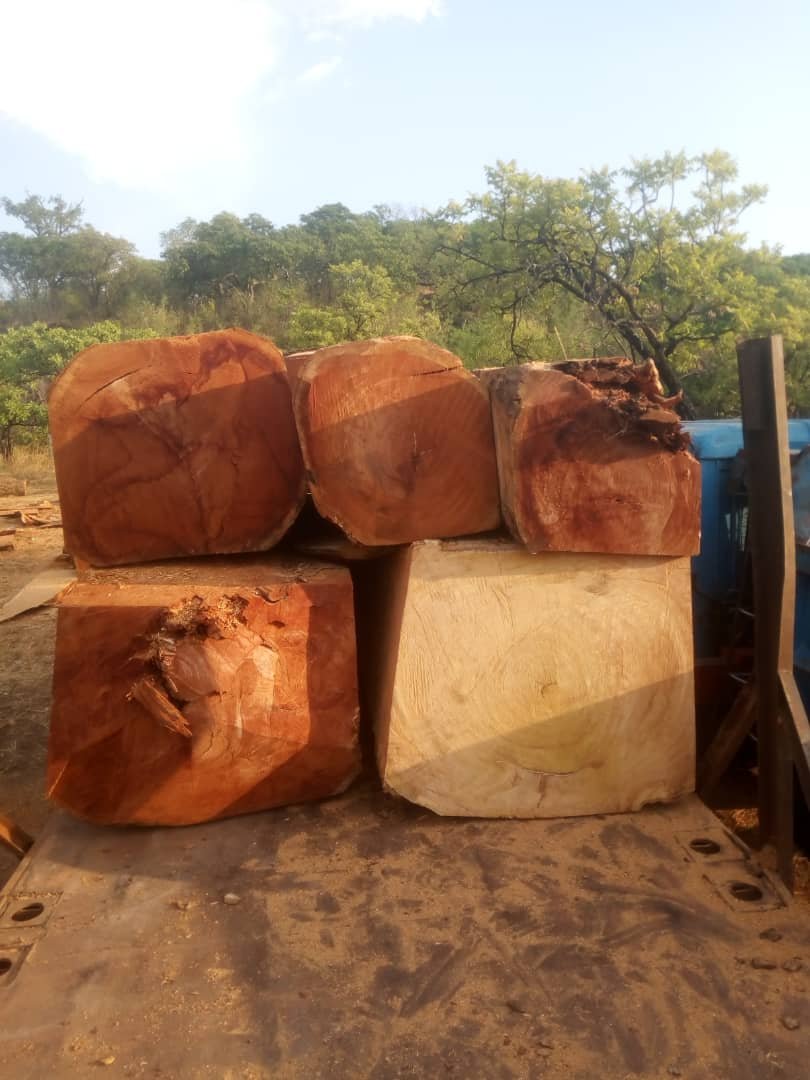
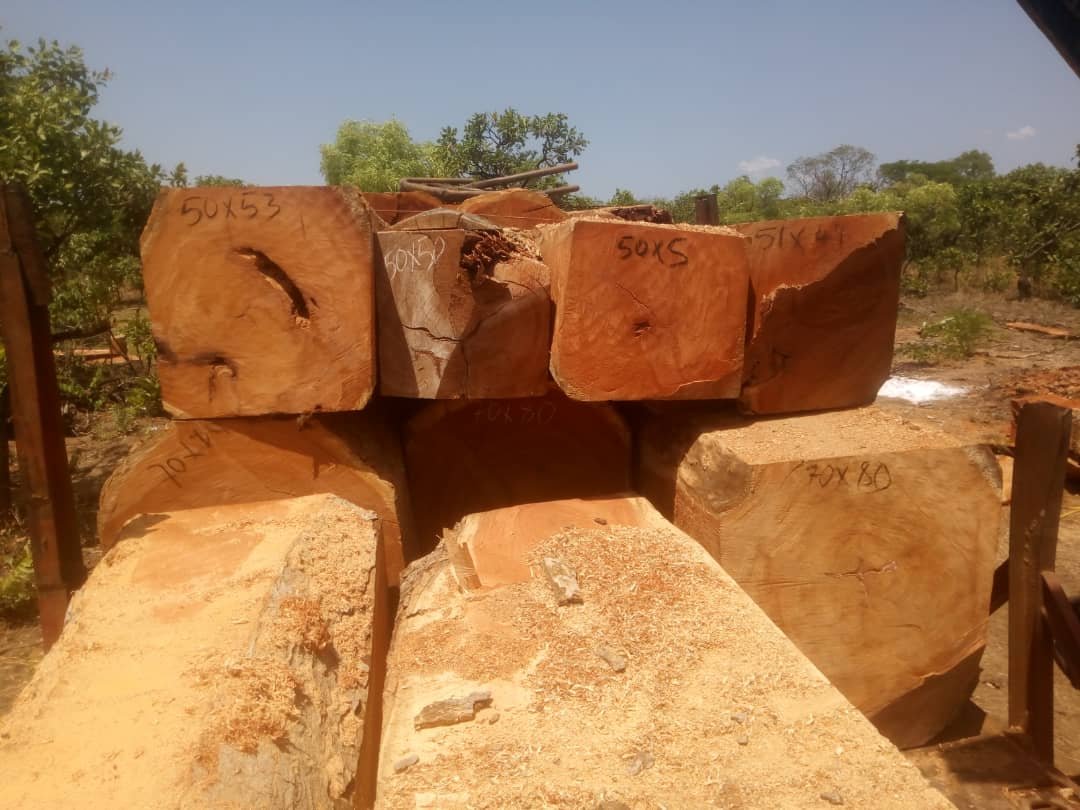
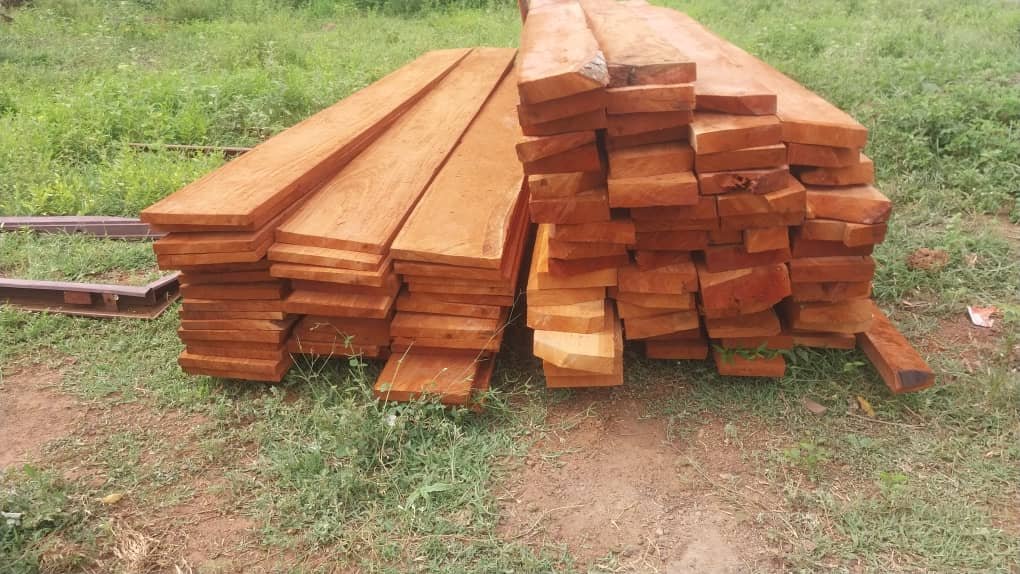
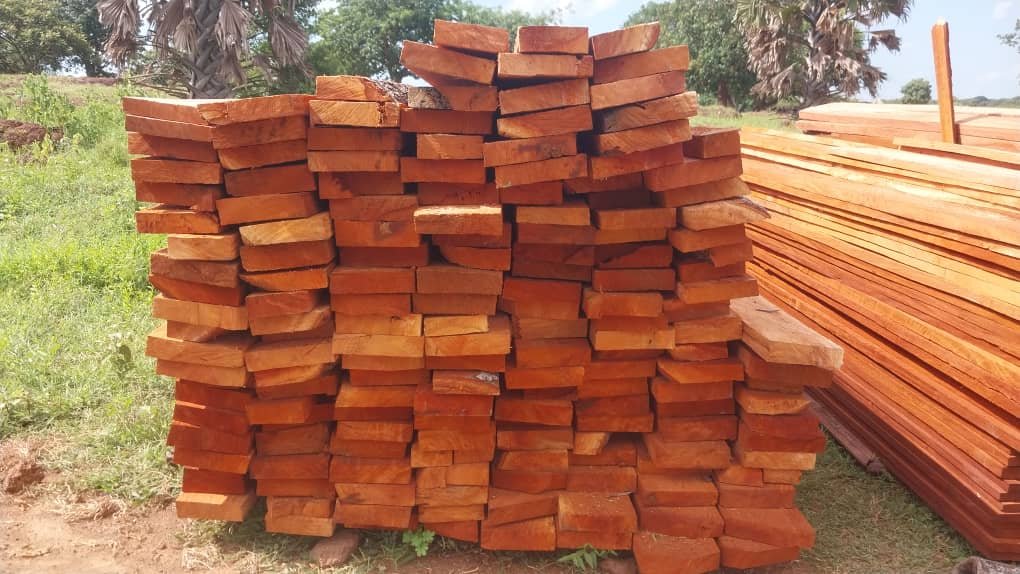
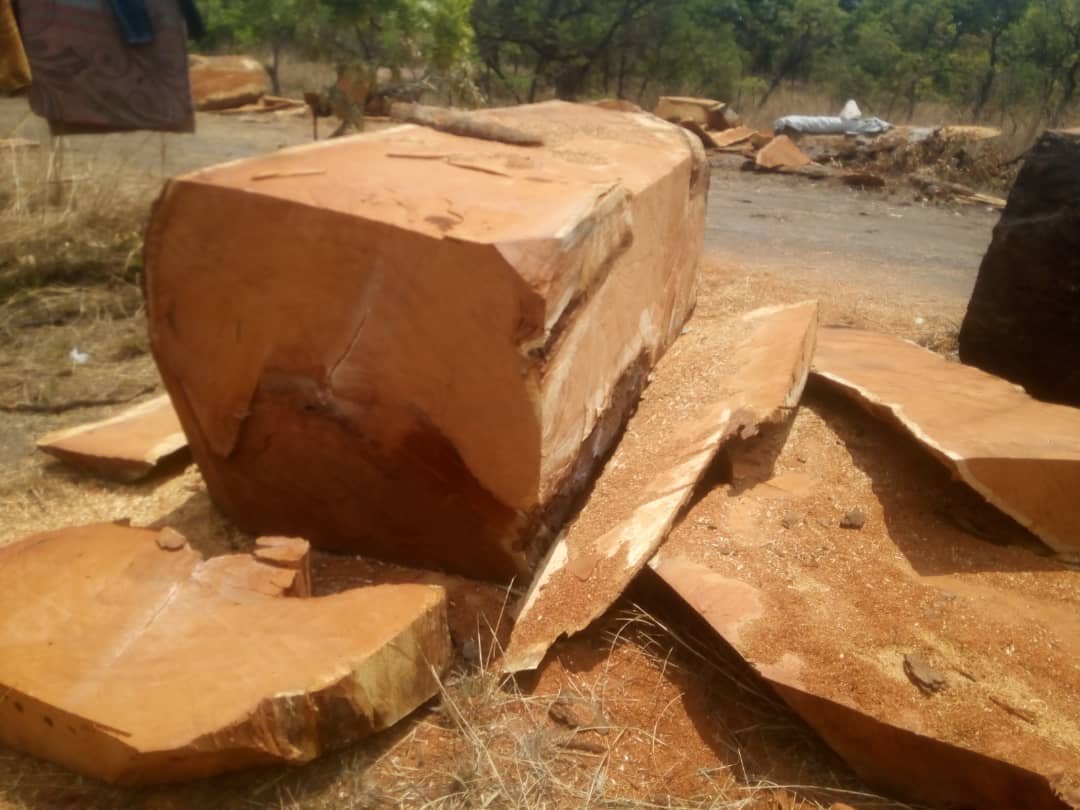
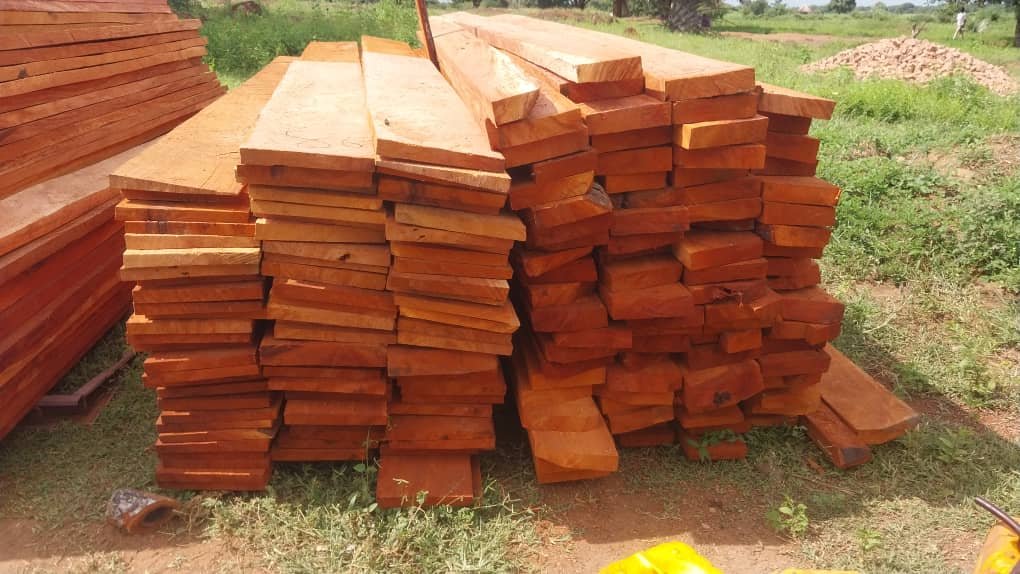
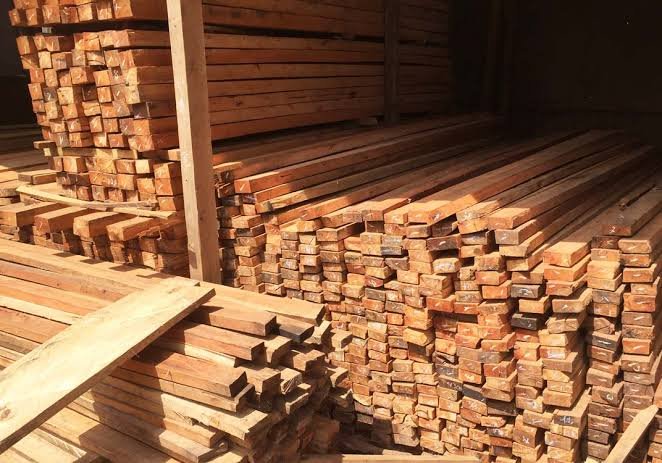
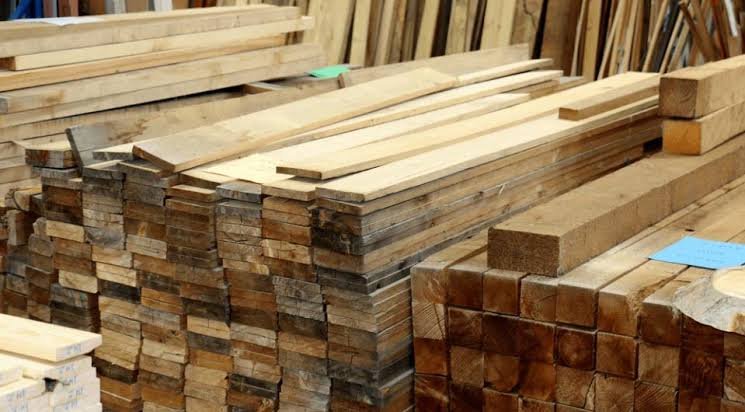
Timber: Valuable Hardwoods from the Congo Basin
While the profile mentions "Valuable and durable hardwood species" as a key export, it does not specify Congo. However, given that Kemofa's market reach includes Central Africa and the Congo Basin is one of the world's premier sources of tropical hardwoods, it is a logical and major sourcing region for a company with this portfolio.
Primary Timber Types:
The Congo Basin is home to numerous high-value species.Kemofa would likely focus on durable, sought-after woods for construction, flooring, furniture, and exterior use. Key types include:
Sapele (Entandrophragma cylindricum):
Often a substitute for genuine mahogany. Known for its reddish-brown color, interlocked grain (producing a ribbon stripe), and excellent workability. Used in high-quality furniture, cabinetry, veneer, and interior joinery.
Iroko (Milicia excelsa):
Known as "African Teak" due to its durability and resistance to decay and insects. Its golden-brown color weathers to a silvery grey. A premier wood for construction, outdoor decking, boat building, and window frames.
Padauk (Pterocarpus soyauxii):
Famous for its vibrant red-orange heartwood, which darkens to a rich brownish-purple over time. Extremely hard and dense, used for heavy construction, flooring, tool handles, and decorative turnery.
Afzelia (Afzelia spp.):
A dense, durable wood with excellent stability. Its reddish-brown color and attractive figure make it suitable for high-end furniture, veneer, and construction elements like stairs and windows. Also a top choice for heavy-duty flooring.
Sourcing & Sustainability:
Sourcing from the Congo Basin involves complex logistics and a critical emphasis on sustainability and legal compliance,which aligns with Kemofa's stated core values.
Supply Chain:
Kemofa would work with established local partners, forestry concessions, and processors within the Democratic Republic of the Congo (DRC) and the Republic of the Congo.
Compliance:
All timber must be verified as legally harvested, with proper documentation (FLEGT licenses, CITES permits for certain species) to ensure compliance with international regulations like the EU Timber Regulation and the U.S. Lacey Act.
Sustainability:
Adhering to their value of "Sustainability and corporate responsibility," Kemofa would prioritize, or aim to transition toward, timber from forests managed under credible certification schemes like the Forest Stewardship Council (FSC).